
 01
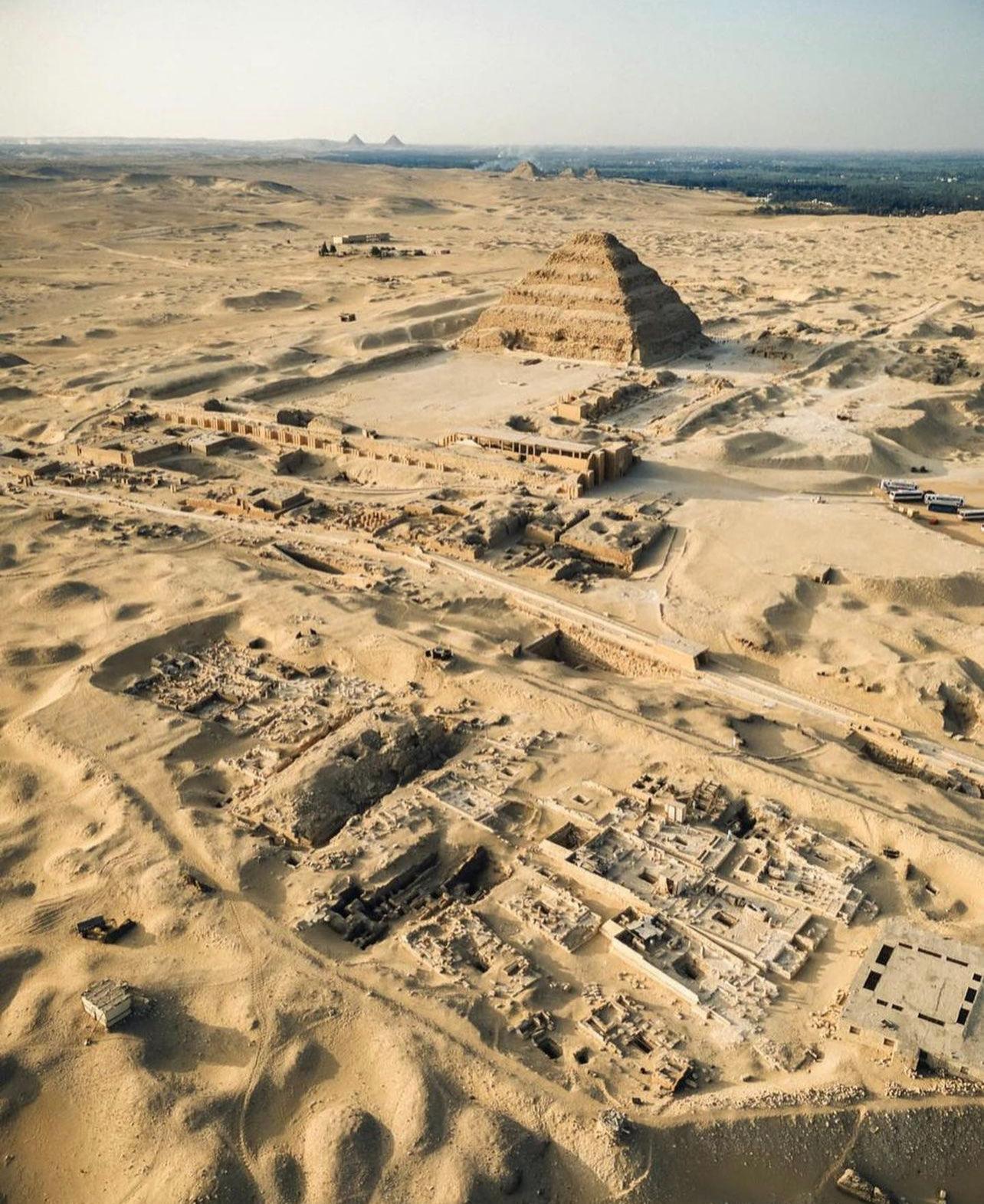
01The Wadi Abusir Hydraulic Management System
Saqqara · PLOS ONE 2024
Research Institute for Archaeology & Ancient Engineering · Paris
At the intersection of archaeology and engineering, Paleotechnic studies the systems, landscapes and knowledge that shaped ancient civilisations.
Our approach
Current programmes
A multidisciplinary analysis to answer fundamental questions about ancient technologies and environments.
01Saqqara · PLOS ONE 2024
 02
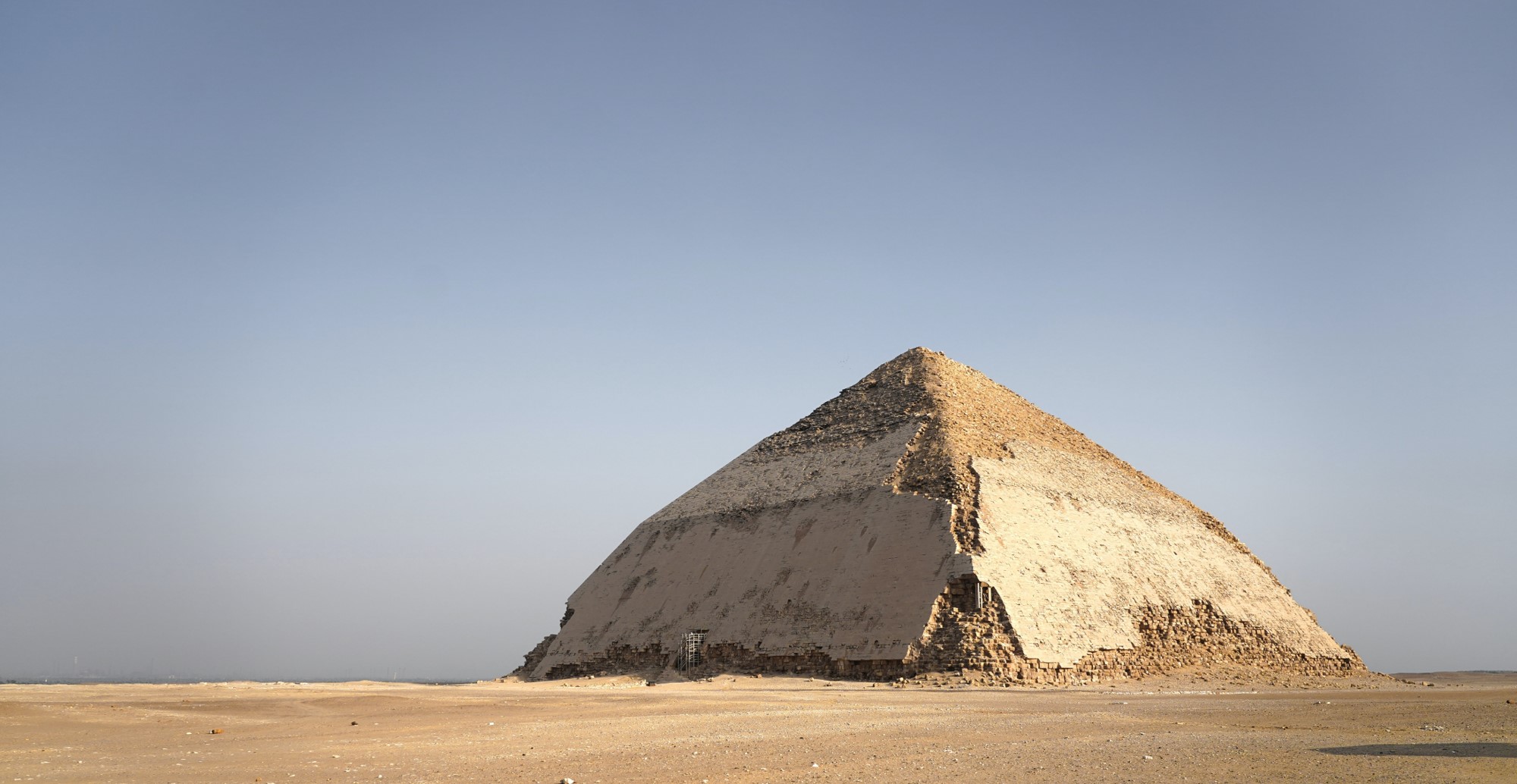
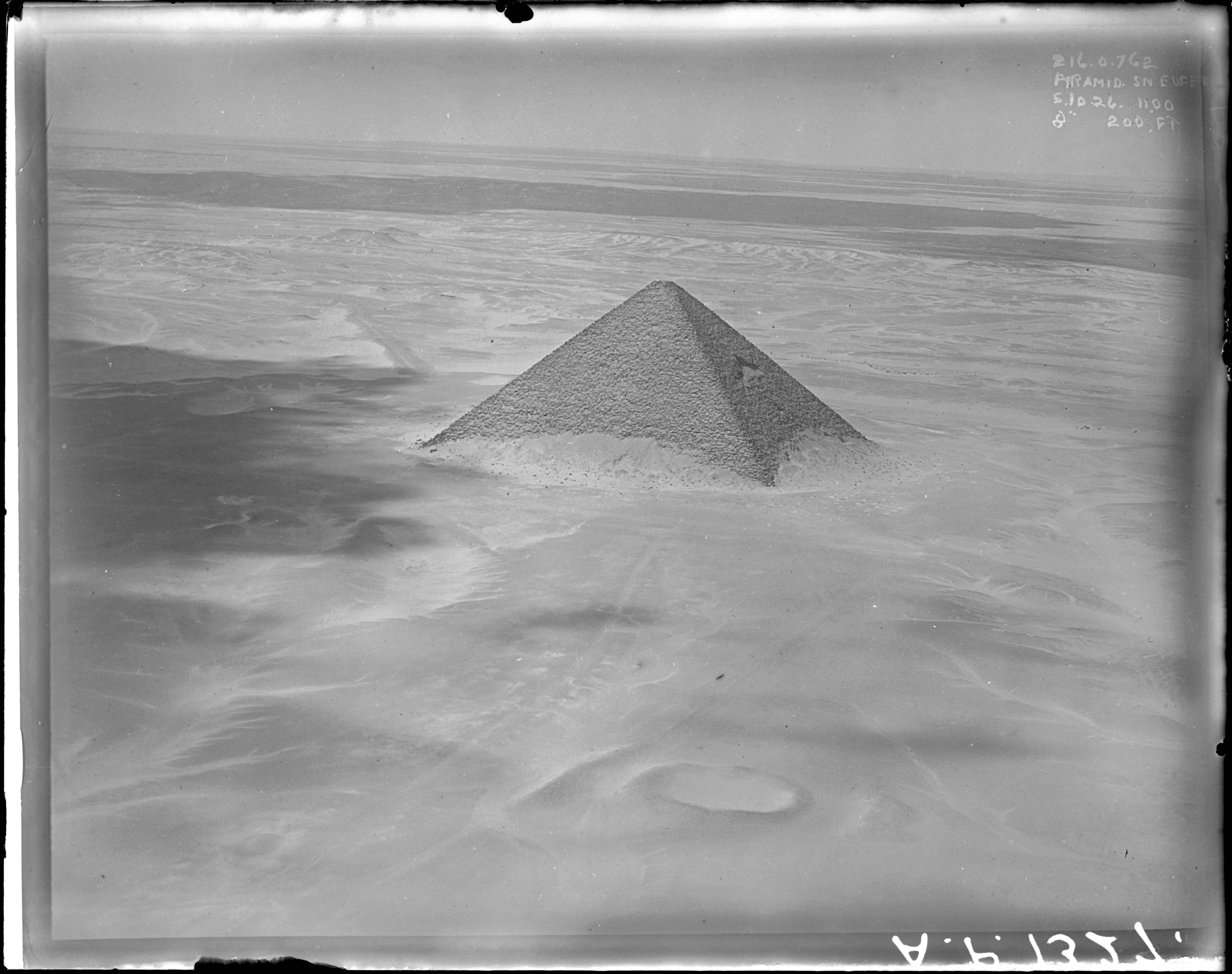
02Dahshur · npj Heritage Science 2026
 03
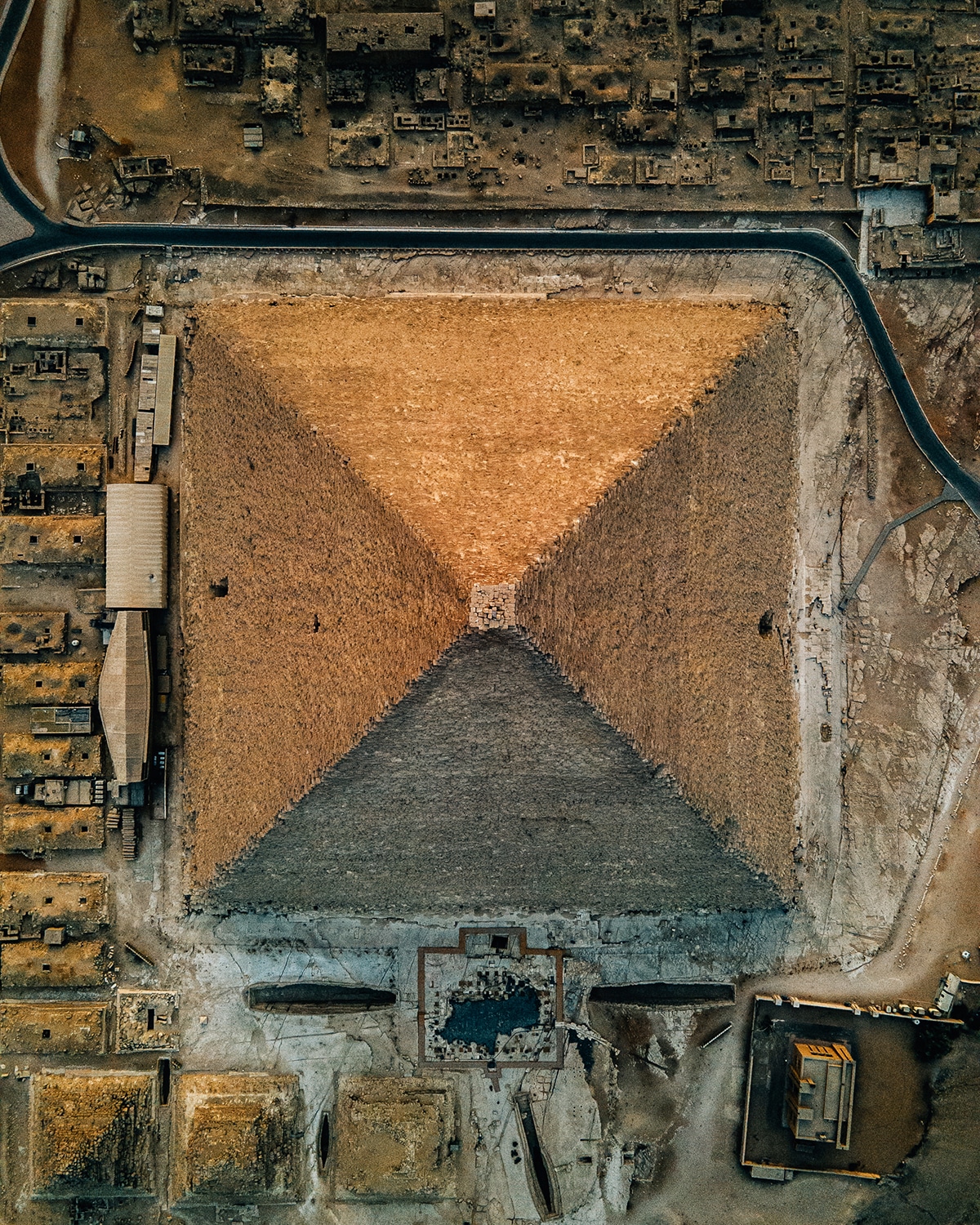
03Giza · research programme
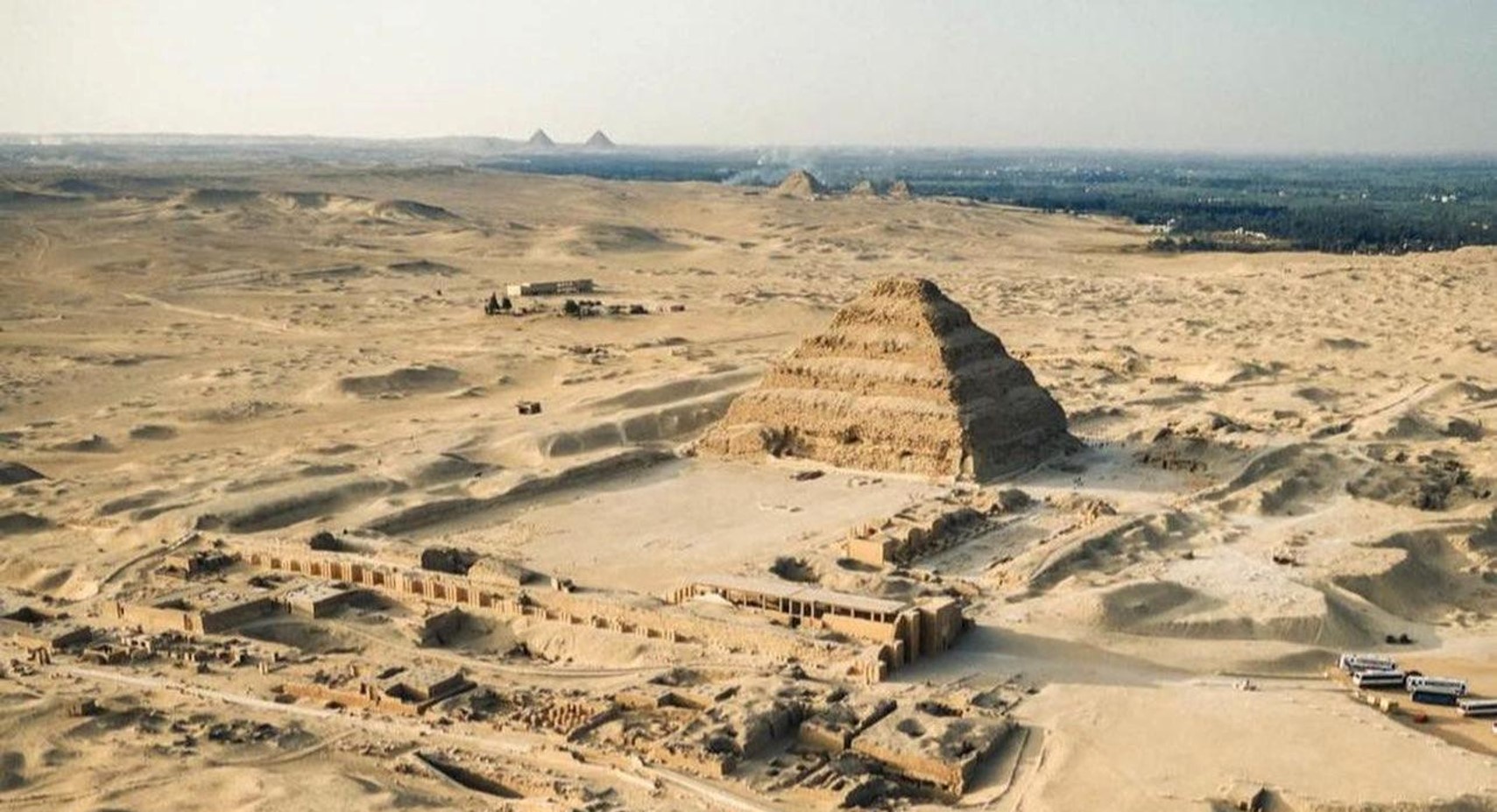 Saqqara · field evidence
The laboratory
We combine satellite imagery, hydrology, photogrammetry, Egyptology and 3D creation to analyse ancient sites at every scale.
See our latest resultTools & expertise
A wide range of cutting-edge tools to analyse ancient sites and technologies, from regional landscapes to individual structures.
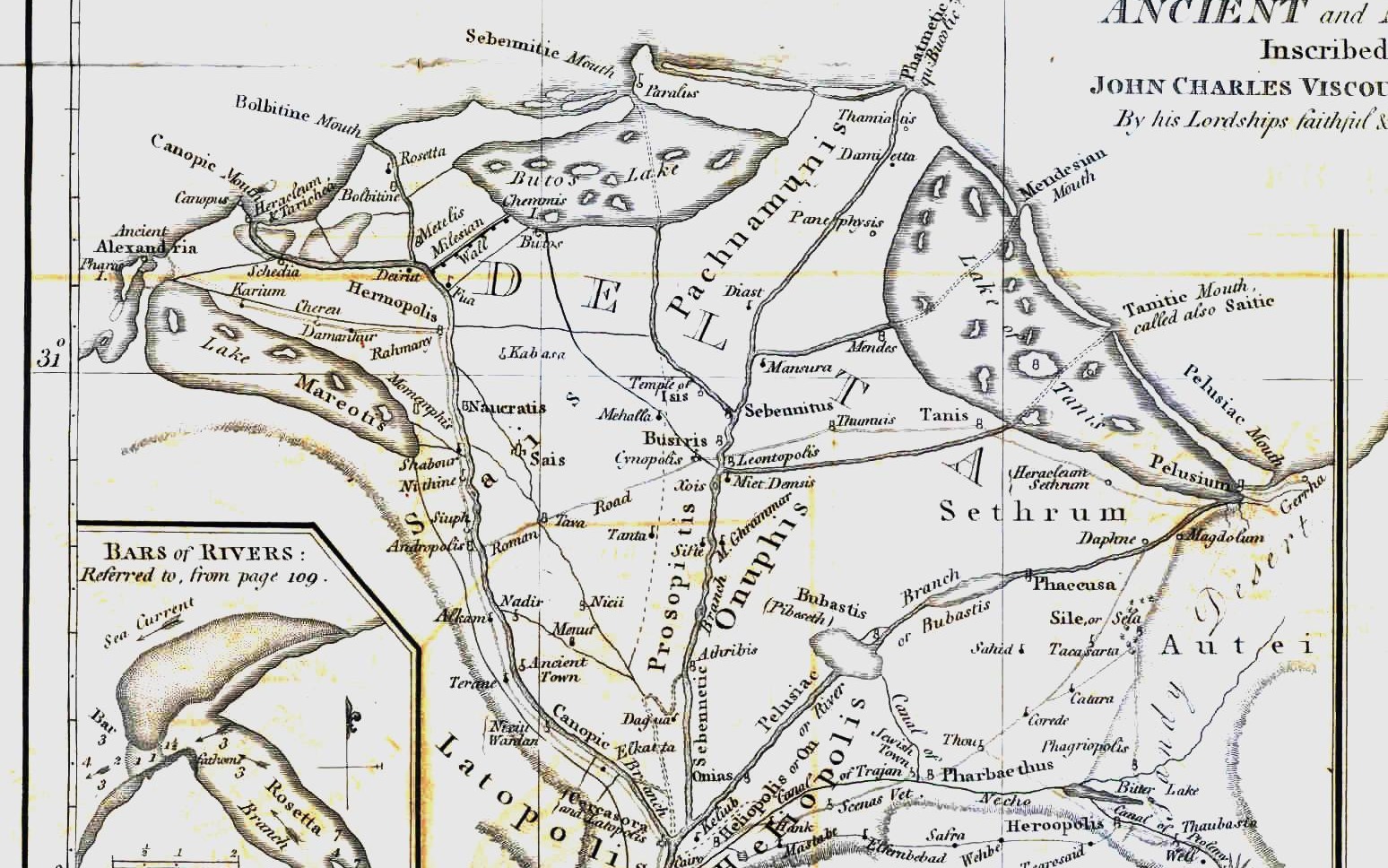
Our access to satellite imagery enables complete characterisation of ancient sites. We generate digital elevation models, carry out hydrological analyses, and reconstruct watersheds, lakes, rivers and urban supply systems.
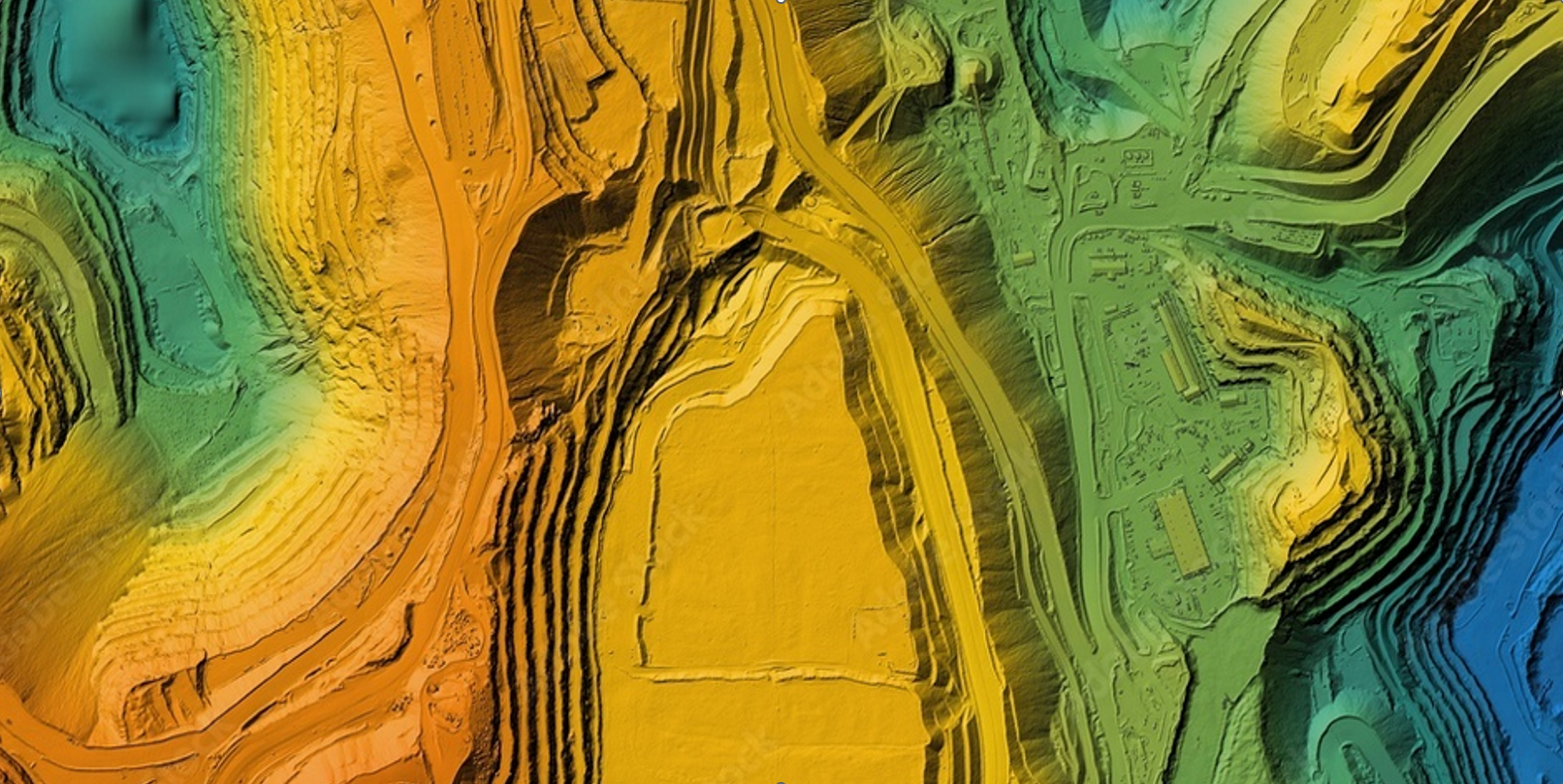
Our technology and know-how capture the exterior and interior of objects or structures at small, medium and large scales, producing precise material for study, measurement and interpretation.
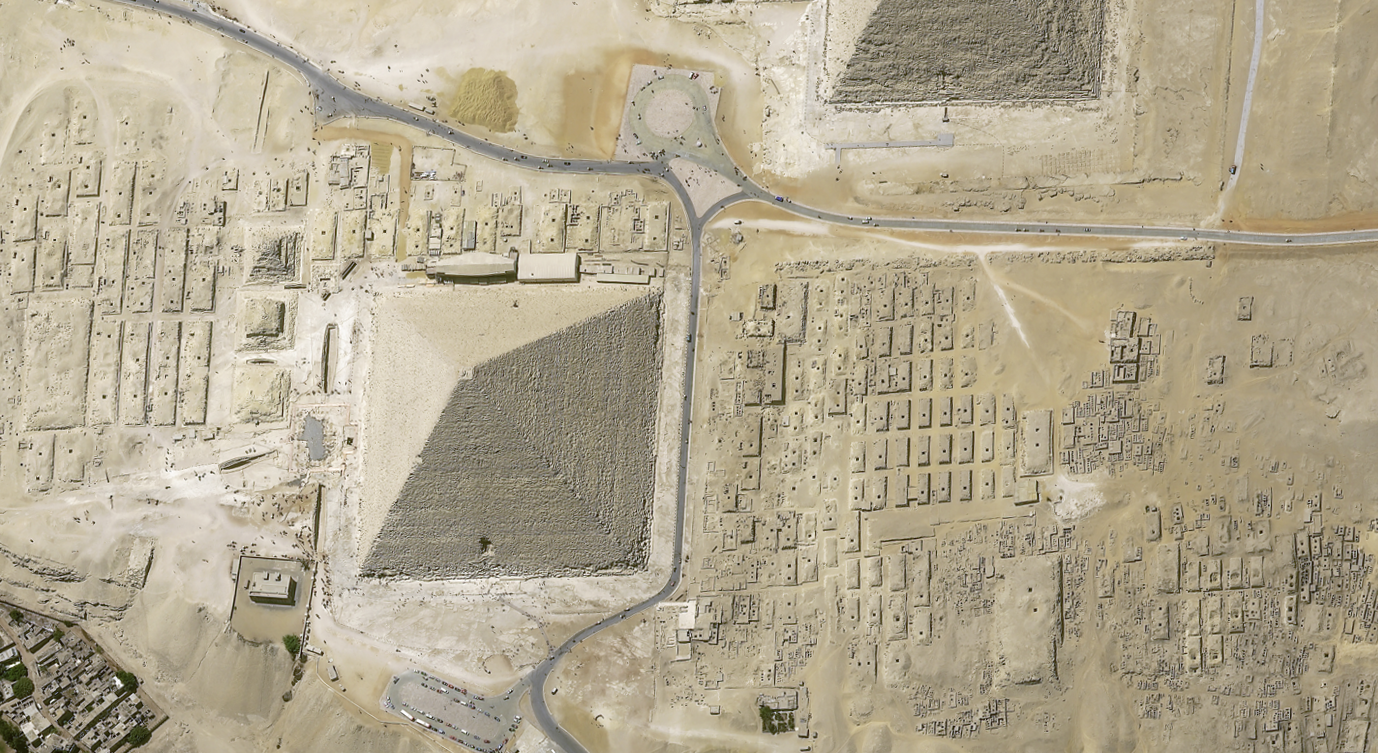
We programme and acquire commercial satellite images, then combine optical, hyperspectral and radar approaches to identify landscape and archaeological markers.
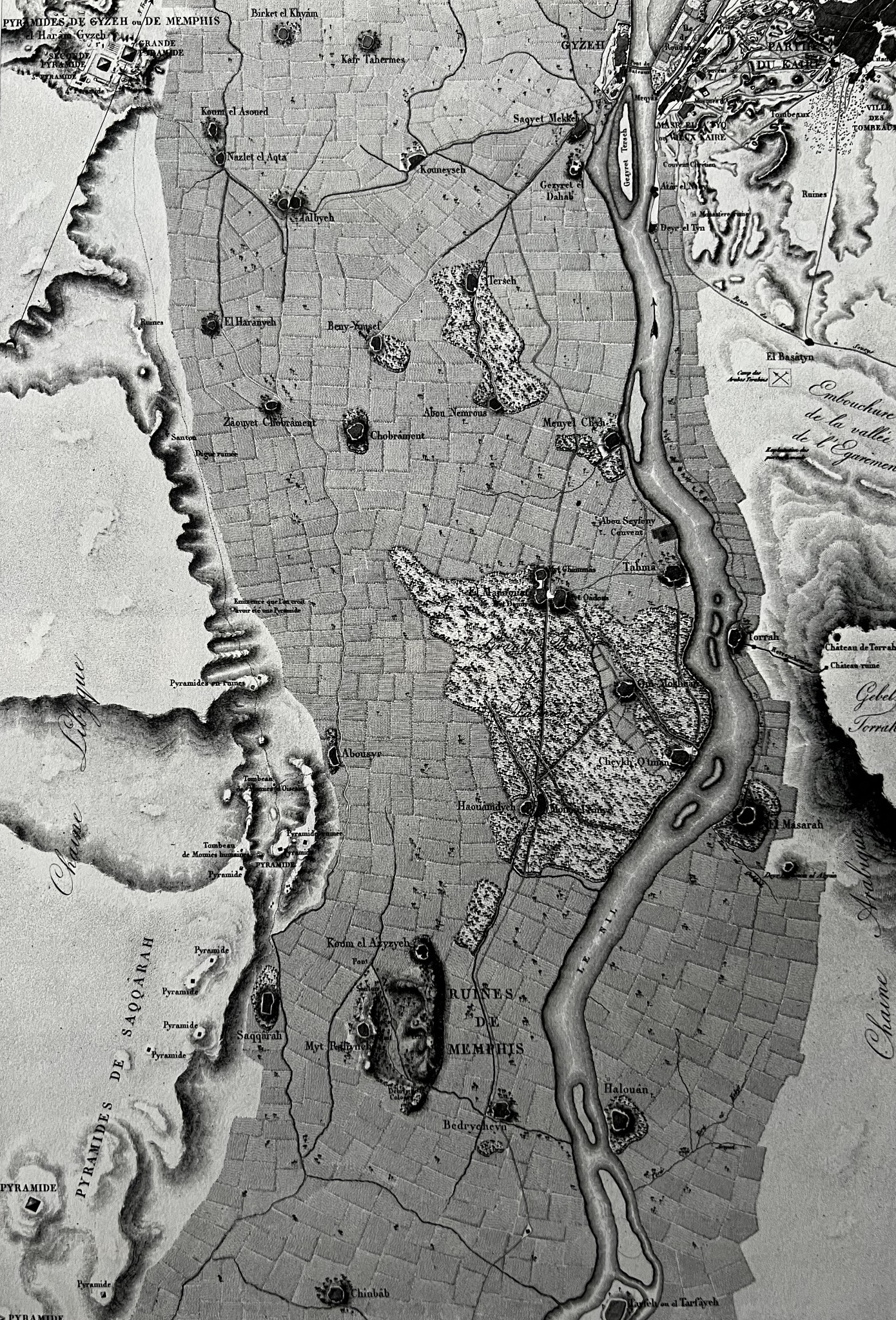
We give equal emphasis to archaeology and text, moving beyond traditional geographical, chronological and methodological boundaries to understand how ancient sites and technologies worked.
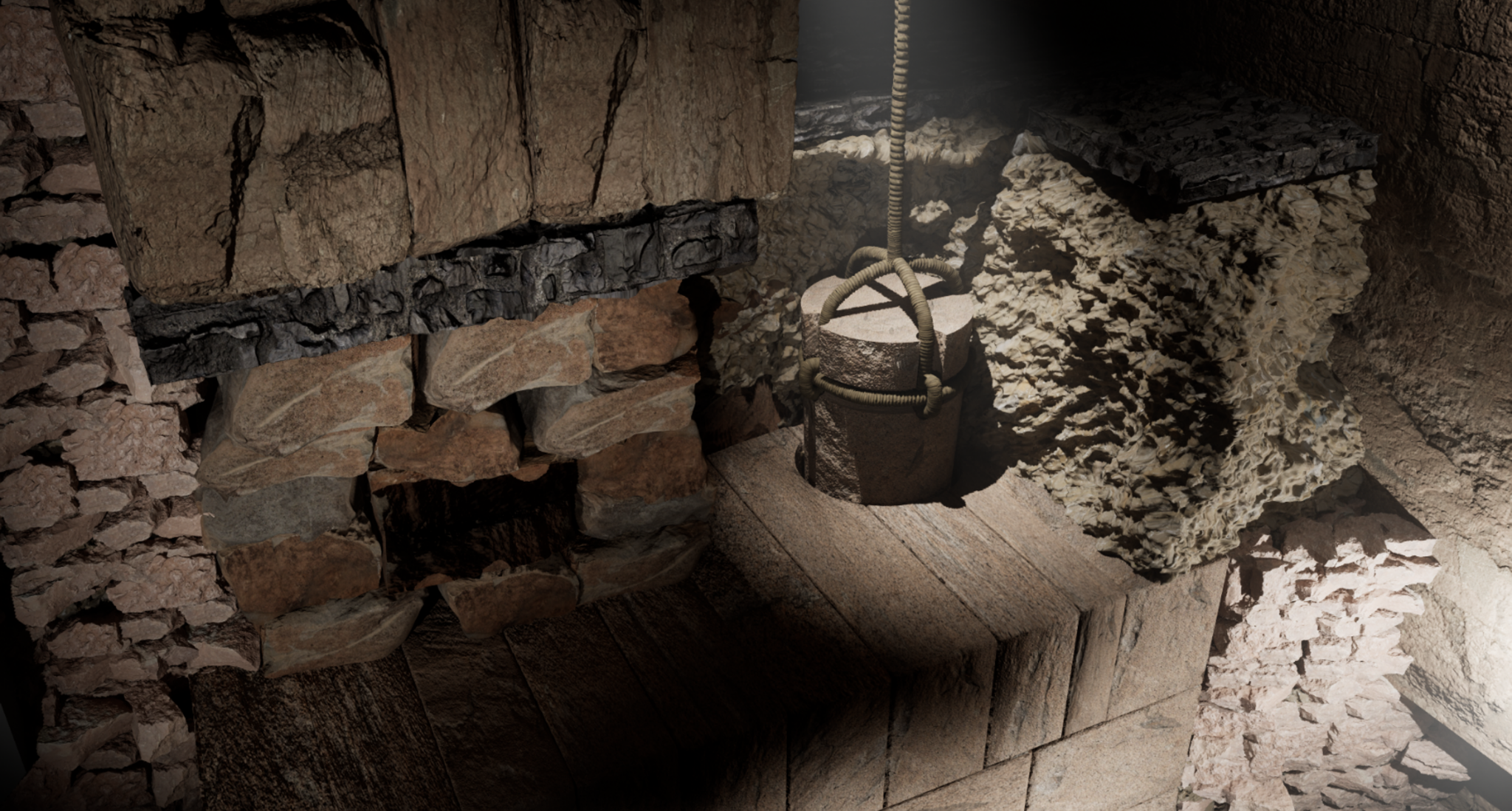
From CAD models for numerical simulation to paleo-realistic environments for film and virtual visits, our team works with Solidworks, Unreal Engine, Blender and SketchUp.
Selected publications

npj Heritage Science · 2026
The study presents evidence that two 600–700 m structures crossing Wadi Dahshur may have functioned as giant dams, alongside a water diversion channel west of the Red Pyramid. One structure includes a possible duckbill weir designed to regulate flow and sediment.
Read the 2026 paper
PLOS ONE · 2024
The study identifies Gisr el-Mudir as a possible check dam, a water-treatment system within the Dry Moat, and an internal hydraulic lifting mechanism that may have assisted construction of the Step Pyramid of Djoser.
Read the 2024 paperIn the international press
Independent reporting and expert discussion around our 2024 Saqqara study and the 2026 Dahshur paper.
Research network
Our work is strengthened by long-term scientific collaborations across research, academia and industry.
 Cairo University
 INRAE
INRAE Institut des Géosciences de l’Environnement
 Université Grenoble Alpes
 CNRS
CNRS Université d’Orléans
 Sicame Group
 Airbus
The INRAE link opens its feature on the hydraulic system proposed for the construction of the Saqqara pyramid.
About Paleotechnic
Paleotechnic is a research institute specialising in archaeology and ancient technology analysis. Its mission is to discover our civilisation's origins through a multidisciplinary, holistic approach spanning hydrology, archaeology, geotechnics, climatology, physics and materials science.
The Institute conducts R&D studies to identify and analyse how technologies from the past functioned, with a particular focus on Ancient Egypt and the construction of the giant pyramids.
Reverse engineering helps us understand forgotten technologies. Far from being simple or outdated, many required sophisticated knowledge that is no longer commonly known today.
By bringing together materials science, physics, chemistry, mechanics and astronomy, our laboratory network can reconstruct these systems and explore what they can teach us now.
Education
Every year Paleotechnic organises conferences and courses on current research topics, in French or English.
Lectures and advisory services on early Egyptian history, architecture and construction — from the Pyramid of Djoser to the Pyramid of Khufu.
Courses combine theory with hands-on practical sessions across modern archaeology, Old Kingdom Egyptology and satellite imagery analysis.
Contact
Paleotechnic
9 rue des Colonnes
75002 Paris, France